
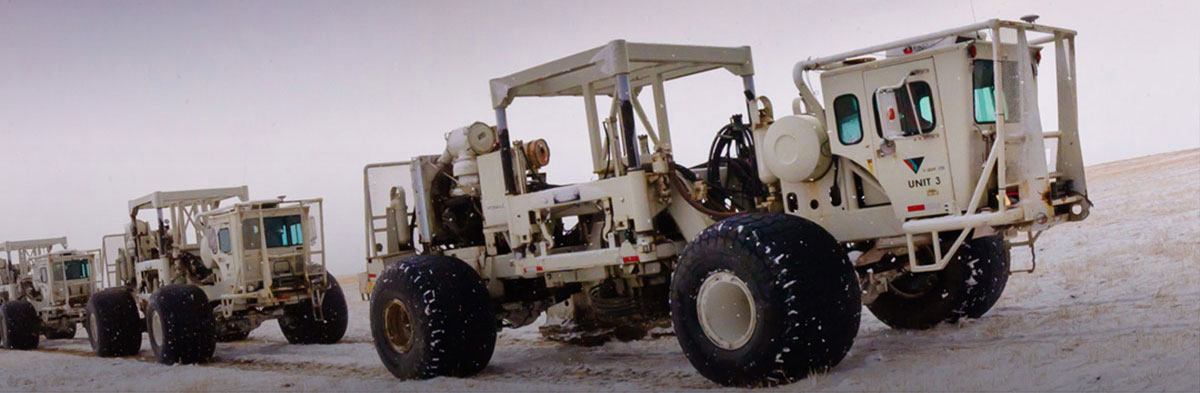

Kevin Dome Carbon Storage Project

The partnership is supported through a cooperative agreement with the U.S. Department of Energy (DOE) as one of seven regional carbon sequestration partnerships in the country. BSCSP collaborates with key stakeholders in the identification, development, and monitoring of viable and safe approaches for storing regional carbon dioxide (CO2) emissions.
Read more
Basalt Small-Scale Injection Pilot Project

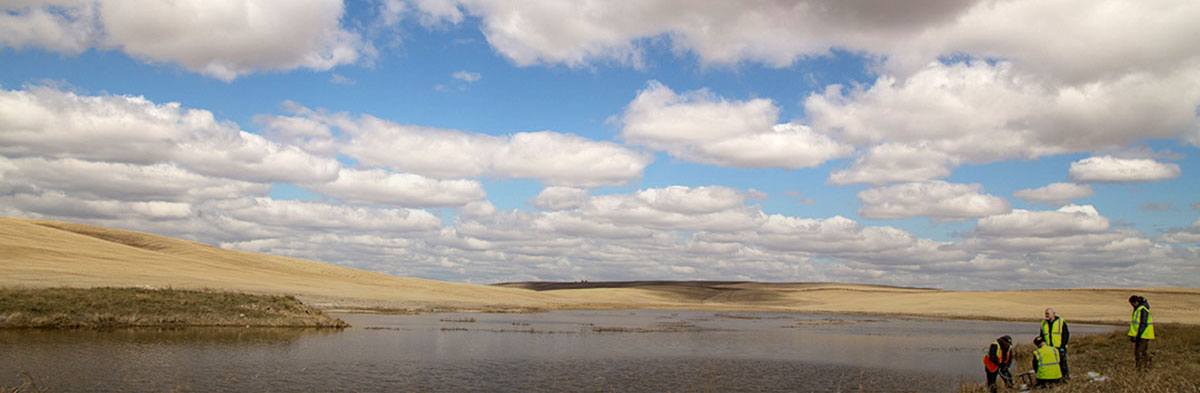
On July 17, 2013, scientists working with BSCSP and other partners began injecting 1,000 tons of CO2 into a deep basalt formation located near Wallula, Washington.
Read more
Interactive Mapping Portal

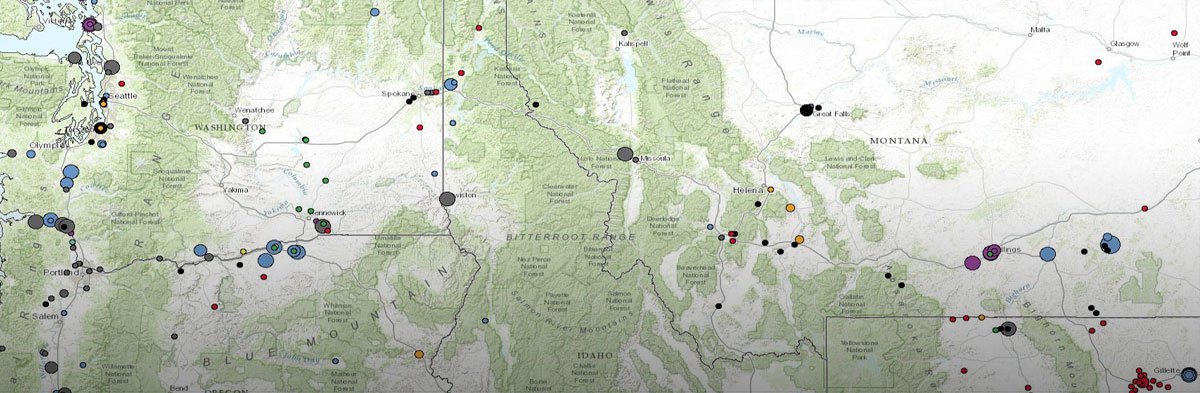
Explore BSCSP's new interactive and user-friendly mapping application! The portal combines data layers from several sources to provide greater custom mapping functionality.
Read more
Multimedia Resources

There are a wide variety of educational and outreach products available describing BSCSP activities and other CCS projects, including posters, presentations, videos, and other resources.
Read more